
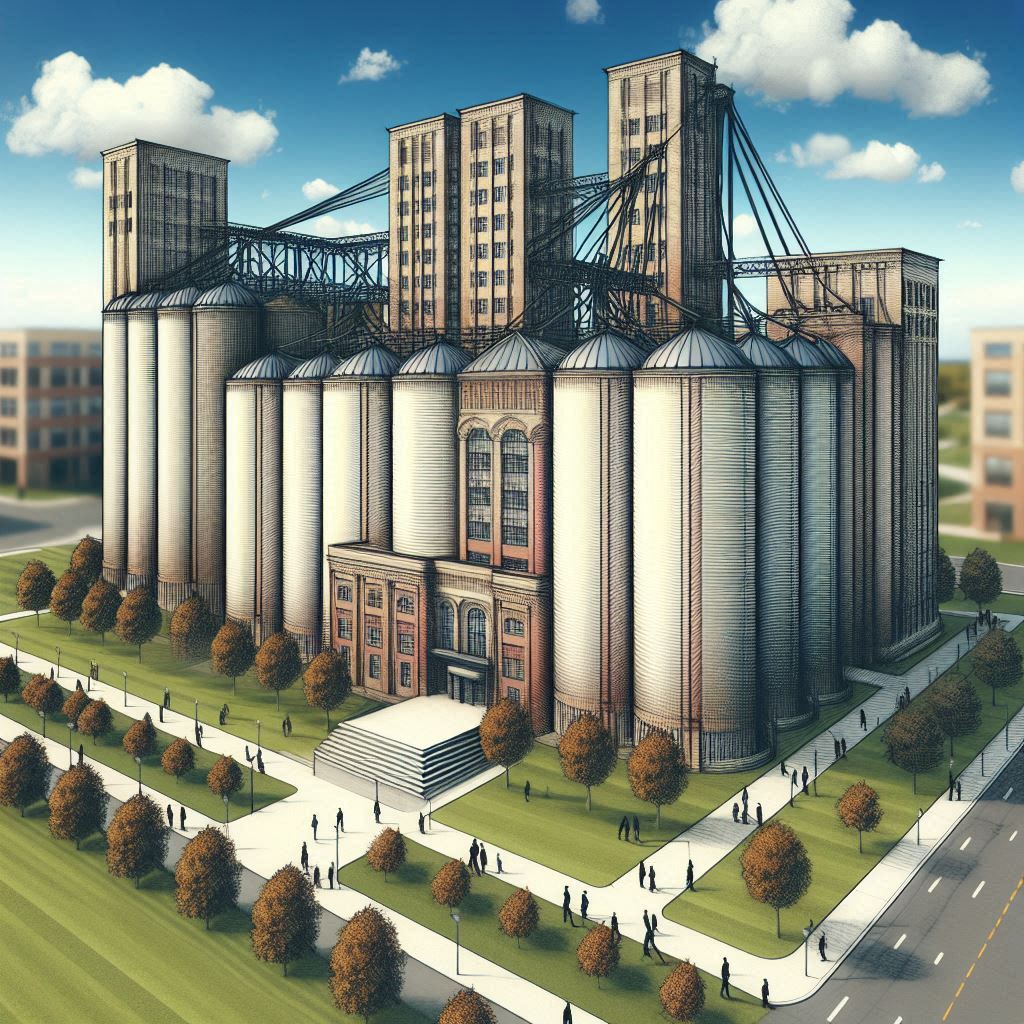
Silos are everywhere in higher education – and not just out in bucolic pastures in the Great American Heartland.

I have always believed that disciplinary and functional silos are, ultimately, the bane of every institution’s existence and a major contributor to its possible or eventual downfall.
Why?
Because they both represent and are sustained by an unhealthy overlap of ego, identity, function, and privileged responsibility.
Silos ultimately create and reinforce an us-versus-them mentality that is detrimental to the type of institutional culture that will allow our colleges and universities to flourish in the 21st century.
Silos separate faculty from staff and both faculty and staff amongst each other; they pit discipline, rank, title, and job duties against each other – all of which feed into a skewed perception of competence that severely disadvantages many of those who know best what students and the institution need to succeed. They stifle workflows and the execution of interrelated processes and grind them to a halt, negatively affecting all who rely on the outcome of this work – be it academic or not.
Yes, disciplinary and functional silos exist for a reason. But like the mountains of organizational debt we are dealing with (and suffocating under), most of them may once have served a purpose but have since long outlived their usefulness.
However, given the staggering complexities of today’s world and the ever-shifting and often unpredictable vagaries of higher ed enrollment, funding, growing politization, and tainted societal image, silos do the opposite of what they may once have been designed to do: Instead of providing stability and establishing clear lines of responsibility and expertise in hopes of increasing efficiencies, they limit or even eliminate our institutions’ ability to remain agile, react in meaningful ways to changing environments, adapt to fluid expectations by students, parents, business, and politics, and assert their rightful place in society.
This is why I was so encouraged by the title of a recent article in HigherEdJobs. And while – for my taste, at least – this piece doesn’t go far enough and remains focused on admission and enrollment services, it acknowledges that working in higher education, by and large, “does suck right now.”
The authors, Rick Clark of Georgia Tech and Brennan Barnard at the Kahn Schools Network, continue:
“We’ve seen a continual erosion in public trust at the macro level, significant threats to tenure and academic freedom for faculty, unprecedented turnover and staff shortages, and countless examples of leadership failures and messy transitions either on our campus, at our alma mater, or at a prior or peer institutions.” Therefore, they argue, “campus must stop working in silos and create synergy around the work [of admission and enrollment].”
I couldn’t agree more. I would also like to applaud them for addressing the plight of non-academic staff – a process that has dire long-term consequences on the viability of any institution yet often remains solidly wedged in the blind spot of most higher education leaders.
Silos can – in rare cases – be useful as they draw visible and invisible delineations between functional and academic entities on campus that help all members of the community navigate a complex institutional landscape.
But when silos keep human beings from engaging in meaningful work, going the proverbial extra mile, doing what is right by institutions and their constituents, and bringing their authentic selves to work, then they must be torn down.
“How do we do this?” you may think. Read what I have to say about transforming college and university administrative operations to be more human-centered and complexity-conscious while increasing efficiencies and improving institutional outcomes – and reach out! I’d love to help.
#collegesanduniversities #highered #highereducation #futureofwork #silos #organizationaldevelopment #organizationalchange #leadershipdevelopment #agileleadership
Frequently Asked Questions About Breaking Down Silos in Higher Education
What exactly is an organizational silo in higher education?
A silo is a disciplinary or functional division that separates faculty from staff, and separates people within those groups from each other based on rank, title, or job duties. These divisions are reinforced by ego, identity, and a sense of privileged responsibility over certain kinds of work.
Did silos ever serve a useful purpose?
Yes, silos originally existed to bring clarity and stability by establishing clear lines of responsibility and expertise. In some cases they can still help members of a complex campus community understand who does what. The problem is that most have long outlived that original purpose.
Why are silos especially harmful in today’s higher education environment?
“Institutions need to be agile and adaptable with constant changes in enrollment, funding, politicization and public perception. Silos do the opposite of what they are designed to do. Rather than help institutions respond to change, they restrict or remove the flexibility needed to respond to changing expectations of students, parents, and policymakers.
Who is most negatively affected by silo thinking?
This silo thinking most often impacts on non-academic staff, creating a distorted view of competence that disadvantages those who are best placed to know what students and the institution really need. Their contributions are often under-recognized with long-term impact on the health of the institution.
When do you need to break down silos?
Silos should be torn down when they hinder people from doing meaningful work, going above and beyond, acting in the best interest of the institution and its constituents, or bringing their authentic selves to work. By then the damage they do is greater than any structural benefit they may have once offered.